Through a progressive change in wedding laws, the UK government is set to bring nuptials into the modern era. Here’s what you need to know…

In a landmark change, the UK government has made monumental alterations to the nation’s marriage laws, bringing them firmly into the 21st century. For many couples, these historic changes will invariably transform the possibilities involving how, where and when they’re allowed to tie the knot. Alongside the news on the 2nd of October, the Ministry of Justice relayed some stellar information certain to produce smiles across the wedding industry, announcing that the changes could absorb £535 million pounds into the economy over the next decade, whilst simultaneously creating nearly £12,000 new jobs nationwide.
So what are these changes and how do they affect pre-nuptials and wedding industry veterans alike? Time to find out below:
Location, Location, Location
Historically, choosing a wedding location within the United Kingdom has been restricted by law, limiting the public to tying the knot in venues pre-approved by the government, including registry offices, state churches and pre-selected venues. The introduction of the suggested reforms would drastically alter this rule, steering the legal attention away from the location itself and placing the focus the officiant/conductor of the ceremony.
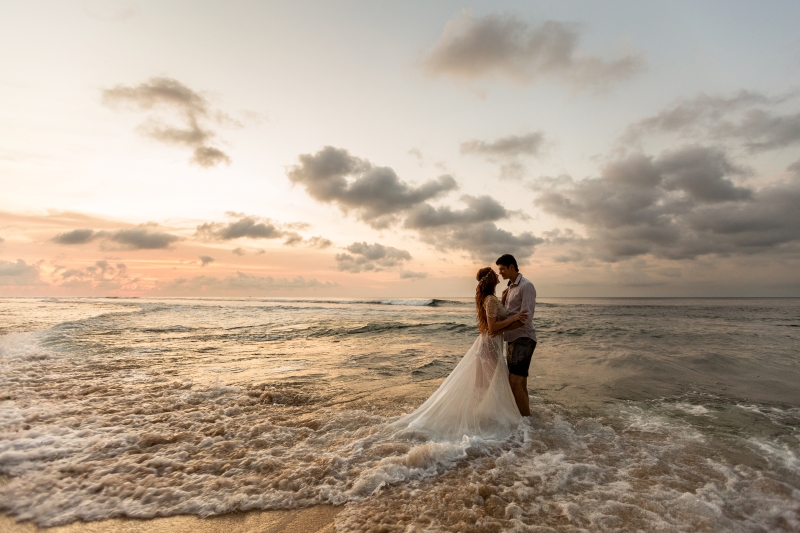
This news is massive for couples seeking an alternative wedding venue, opening up a world of possibilities for uniquely lovely locations in which to get hitched. Providing the location is considered adequately distinguished and appropriate for the proceedings, couples can expect to be able to get married in one of the following:
• Coastal and beachfront settings
• Heritage sites and national/cultural landmarks
• Historic locations such as castles and homes belonging to nobility
• Outdoor venues and garden locations
These changes are stupendous and the freedom of choice regarding marriage locale is a blessing for all couples searching for that dreamy, picturesque wedding day they’ve always aspired to have. Reaffirming this notion, Minister for Family Law, Baroness Levitt KC stated “Marriage is one of our country’s most celebrated traditions and our plans will allow couples to have the wedding day of their dreams… Our reforms will protect the solemnity and dignity of marriage while providing more choice for couples and unlocking untapped opportunities for the economy.”
A Wider Recognition for Romance
Freedom of location is a fantastic addition to existing marriage laws in the UK; however, even greater freedoms are about to be bestowed upon couples nationwide. Previously unrecognised by law, humanist celebrations, as well as a number of faith based religious ceremonies are set to become legally binding for the first time in the country’s history.
At this current moment, couples opting for humanist ceremonies are still required to conduct a “legal” marriage at a registry office, separate from their chosen ceremony, in order for their union to be formally recognised by the government. Many humanist support groups have lobbied for changes to the law, with a 2020 high court ruling deeming the current laws surrounding humanist marriages to be discriminatory. Unfortunately, humanist celebrants are still not officially recognised by the government, with many hoping this will change in time. However, in the meantime, humanist couples are encouraged to select a celebrant that falls within the pre-existing government selection. Whilst Scotland and Northern Ireland have already taken the steps necessary to fast track the officiation of these unions, England and Wales have not been set to follow suit, until now.
For those not currently in the know, a Humanist celebration pertains to a non-religious, personally tailored wedding ceremony conducted by a celebrant of no specific religious alignment. These ceremonies are curated to mirror the values and belief systems of newlyweds that do not personally ascribe themselves to any particular religious practice.
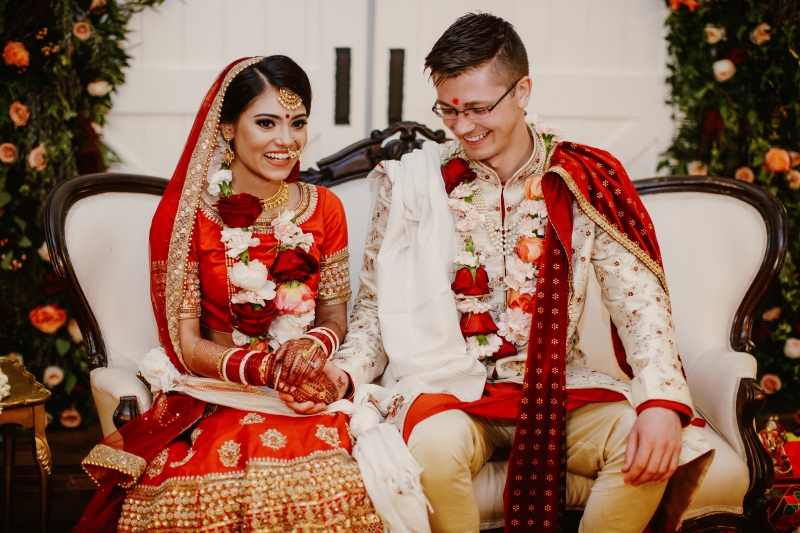
Similarly, the newly introduced rules will be set to encompass couples belonging to faiths who’s celebrations fall outside of the government recognised ceremonies. Muslim, Hindu, Sikh and Buddhist weddings are set to join the already recognised Protestant and Jewish unions moving into 2026, ensuring devout couples are able to host the wedding of their dreams in accordance with their faith.
The introduction of these laws is set to be ground-breaking, allowing happy couples all over the UK to rejoice in the wedding day they’ve always dreamed of, with complete and utter support from the government at every step.
So, how does this impact couples already in the process of planning their wedding? Unfortunately, the new rules are set to come into effect in early 2026 with their full implementation expected to occur once parliamentary time allows for the changes to be fully integrated. For couples deep in the planning stages – it’s best to continue with the current laws in mind, so to avoid any disappointment and general difficulties surrounding the separate recognition of a non-state backed marriage. With that being said, if you’re hoping to get hitched in the next few years, keep your finger firmly on the pulse and you’ll probably find yourselves pleasantly surprised with the new romantic freedoms!