
Join us on a trip through history and discover the meaning behind some classic wedding traditions…
Traditional practices and superstitions have been at the epicentre of UK wedding culture for hundreds of years, impacting the way we propose, celebrate and indulge in ceremonies nationwide. Most couples will find themselves adhering to one tradition or another, whether intentionally or not and this in turn, has us thinking – where do these customs originate from? From bending the knee when popping the question, to tossing a bouquet on your big day, here are 5 now quintessentially British wedding traditions and their origins.
1. Wonderful in White
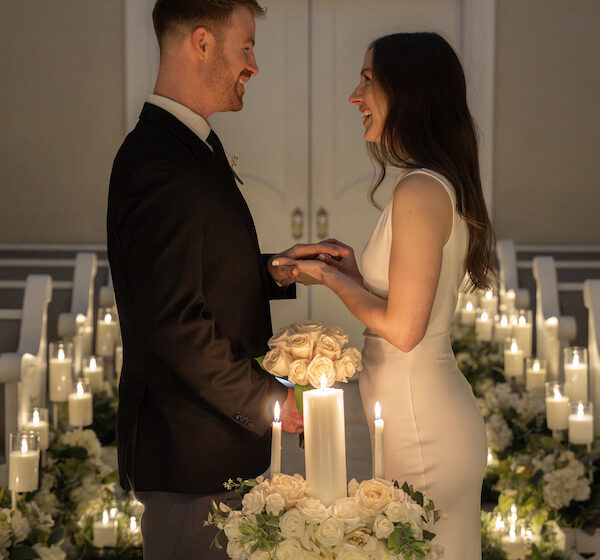
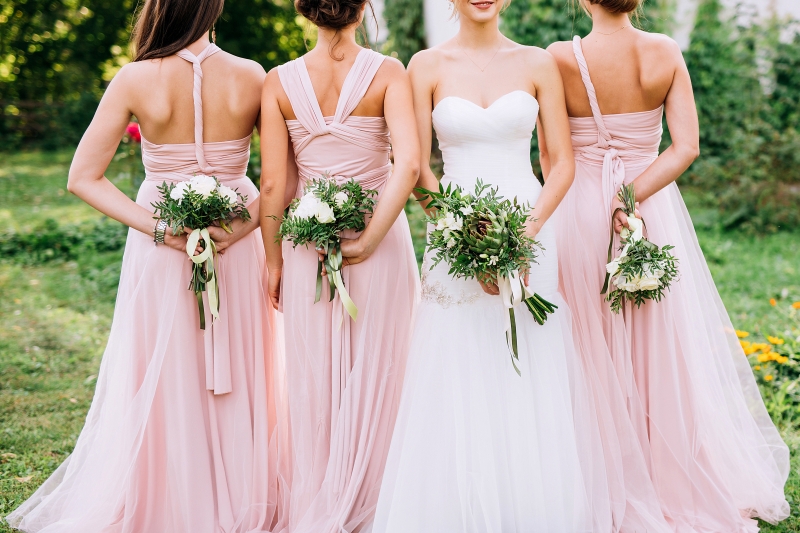
The most eye-catching aspect of any wedding celebration is often the radiant bride enshrouded in a dazzling white dress. But why is this pale shade the most historically popular? Links to ancient Roman tradition indicate the bride’s white dress is accompanied by symbolic purity, however, the popularisation of this custom can be traced back to Queen Victoria in relation to the UK. In 1840 during her union to Prince Albert, Victoria and her bridesmaids were all draped in ivory during the ceremony, thrusting the idea of white bridal dresses into the public consciousness. This tradition has remained a fixture in popular wedding culture in not only the UK, but also worldwide, with many brides opting to maintain the colour scheme and embrace the timelessness of it all.
2. Hitting the Dancefloor
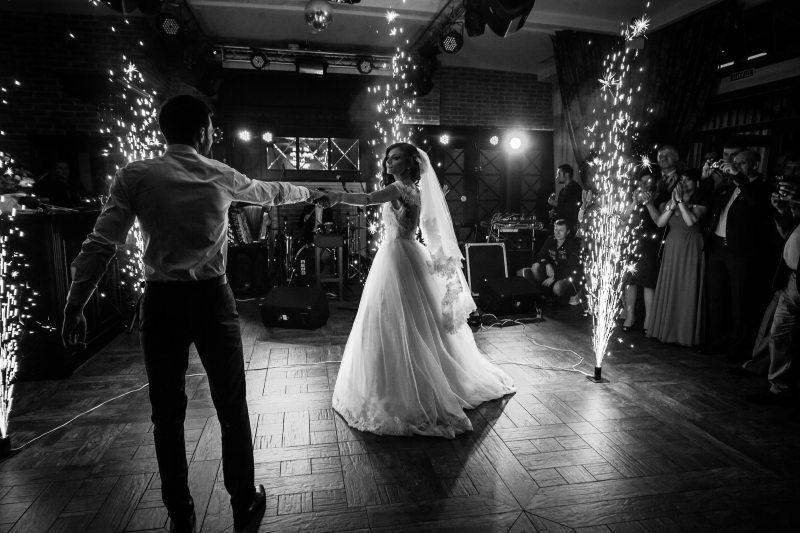
The newly married couple will often take to the dancefloor following the officiation of their union, typically swaying along to Auld Lang Syne or a personal song of their choice. This classic tradition holds symbolic weight, acting as the couple’s emergence into the public eye as a pair. The custom once again harkens back to the Victorian era, with the couple’s esteemed guests gathering to observe the dance, before joining in once they’re finished and elating in their shared happiness.
3. Bend the Knee
Another classic, bending down on one knee to present your partner their ring is ingrained deeply into the British romantic consciousness. Whilst historically associated with men, this custom has been adopted by all who seek to propose, regardless of gender, further cementing its position in marriage culture. The origins of the tradition are unknown, but it is theorised to have originated in the Middle East roughly 3,000 years ago. Thought to symbolise dedication, respect and undying loyalty, the act of kneeling in front of someone is considered to be the ultimate sign of reverence in interpersonal relations.
4. Flower Power
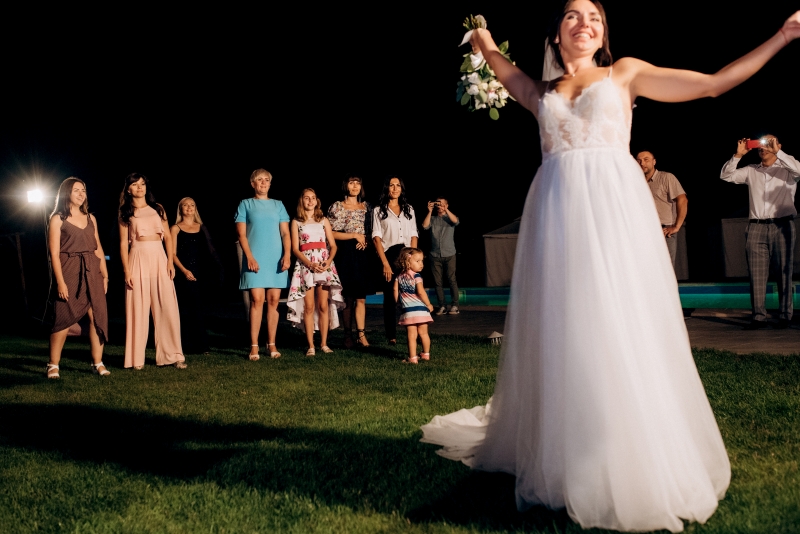
This is a fun one – the tossing of the bridal bouquet is believed to originate from medieval European tradition, with the resounding belief that the bouquet’s recipient will be the next to be married. The bouquet was used in place of a previously held tradition where frenzied guests would rip pieces from the bridal gown for good luck, redirecting attention away from her wedding day finest unto the tossed flower arrangement. As the tradition has evolved, it has become more synonymous with light-hearted fun and less with feral dress tearing.
5. Rutting In/Clucking About
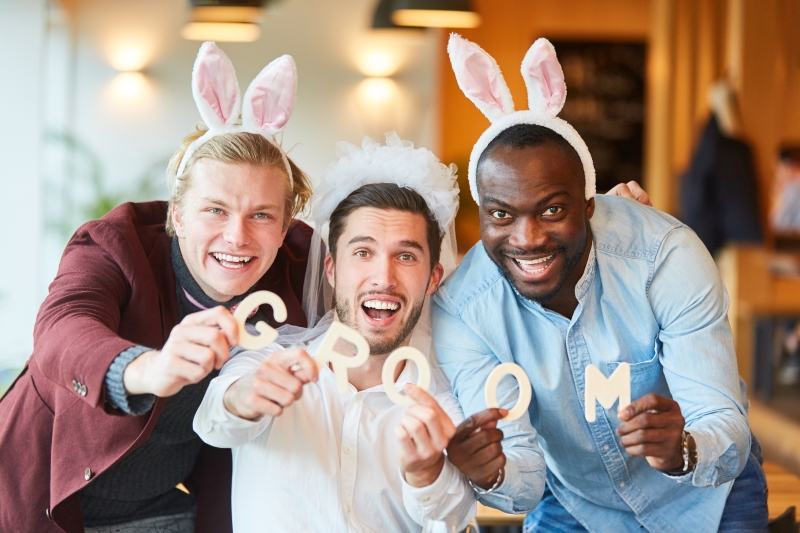
Another Victorian era pick, the phrase “Hen Party” was coined by the British tabloids in 1881 as way to describe a dinner party hosted by the Queen for her daughter, Alice. The party hosted the princess and other young women born into nobility and was used endearingly to describe the proceedings. The term “Stag Party” reared its head around 50 years later, first emerging in the 1930s as a descriptive term to describe the union of a group of young men as they engaged in drinking and accompanying debauchery. In the modern era, the terms have maintained their cultural relevance, with their corresponding animal namesakes being linked to the behaviours of each party and in turn, becoming cemented in British nuptial vernacular.
What do you think of our list? Are there any traditions you’d add or would suggest for future lists? Let us know!